To Be The Best Grey Board Supply Chain In The World


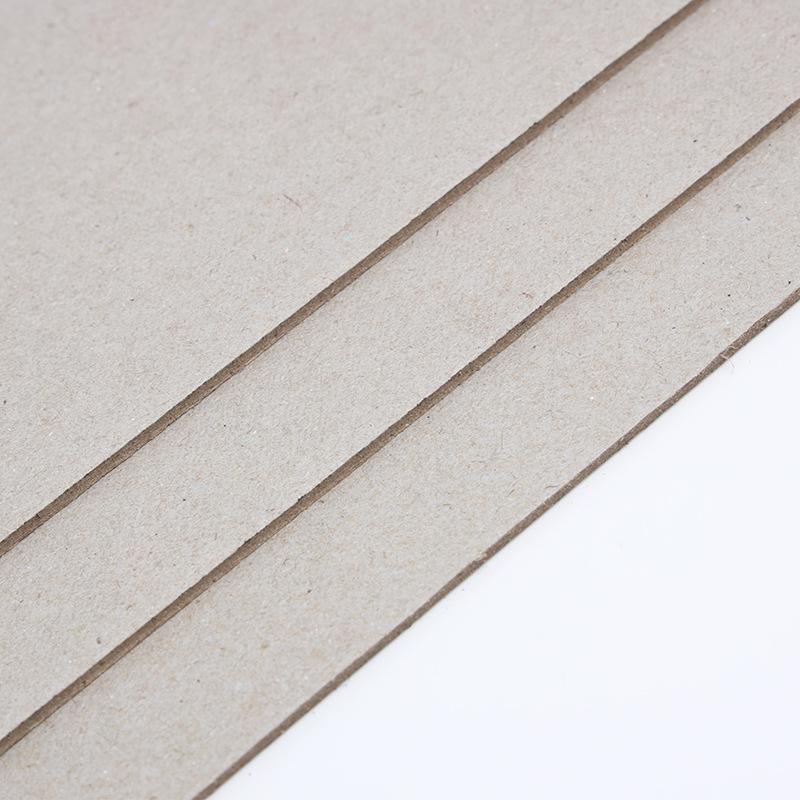
Grey Board has become one of the most widely used paperboard materials in the packaging, printing, bookbinding, and stationery industries. Thanks to its excellent rigidity, cost efficiency, and sustainable characteristics, Grey Board is increasingly preferred by manufacturers worldwide.
But how is Grey Board actually produced?
In this guide, we will explore the complete production line of Grey Board and explain how recycled paper is transformed into high-density paperboard for industrial and commercial applications.
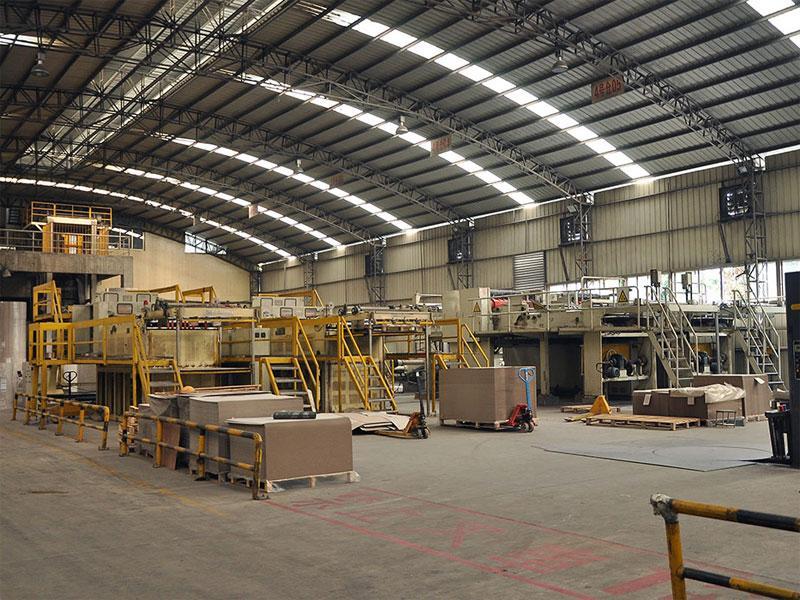
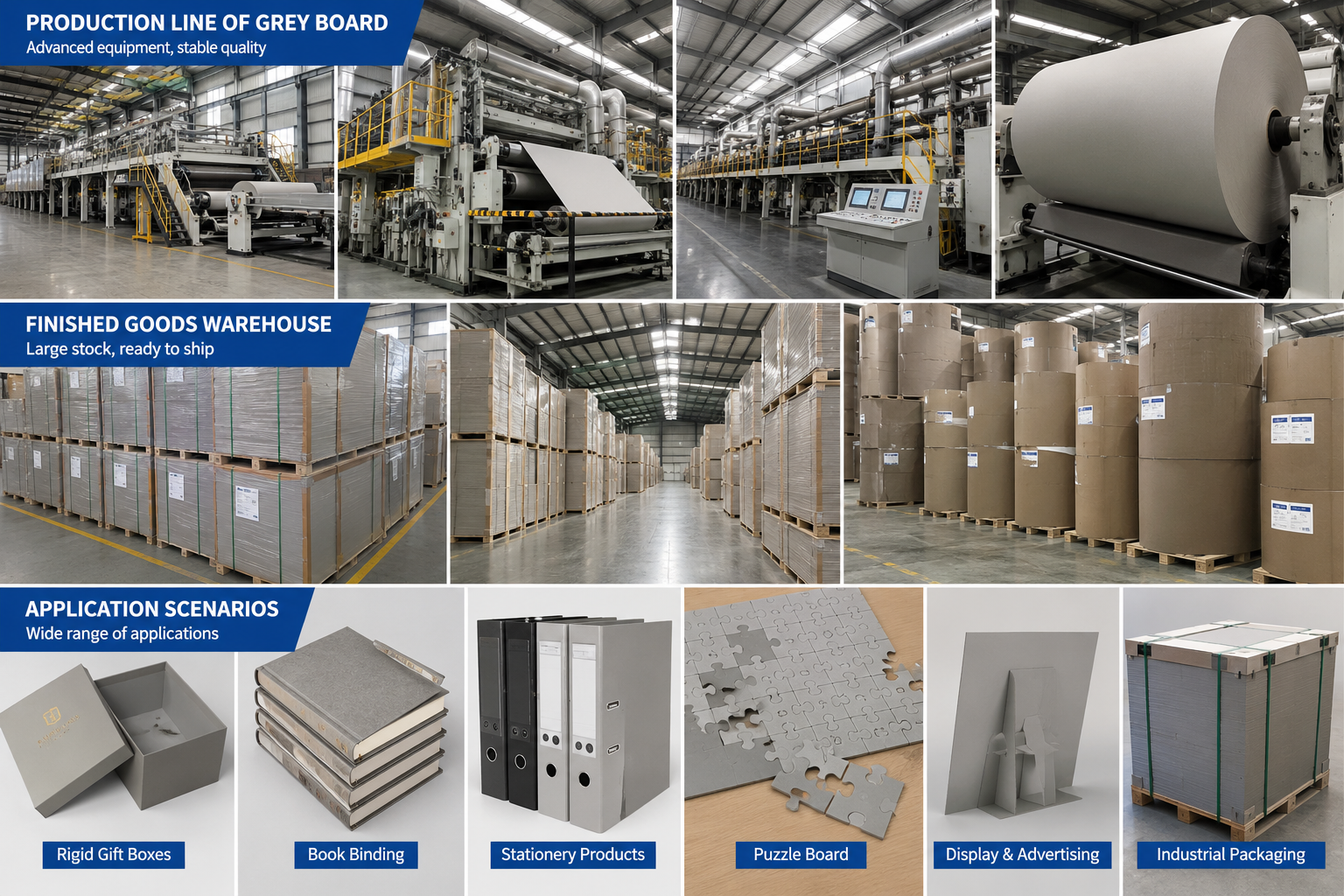
A Grey Board production line is an integrated manufacturing system designed to convert recycled paper pulp into rigid Grey Board sheets or rolls.
Modern production lines combine:
A professional Grey Board production line ensures stable quality, uniform thickness, and efficient mass production.
Production starts with selecting recycled paper materials.
Typical raw materials include:
The quality of raw materials directly affects:
✓ Board density
✓ Surface smoothness
✓ Thickness consistency
✓ Final rigidity
High-quality recycled fiber creates stronger and more stable Grey Board.
Selected paper materials enter the pulping system.
During this stage:
Advanced cleaning systems help improve board quality and production stability.
This process creates a uniform recycled pulp suitable for Grey Board manufacturing.
After pulp preparation, the slurry enters the forming section.
This stage includes:
The forming process determines:
Automated controls maintain consistency throughout production.
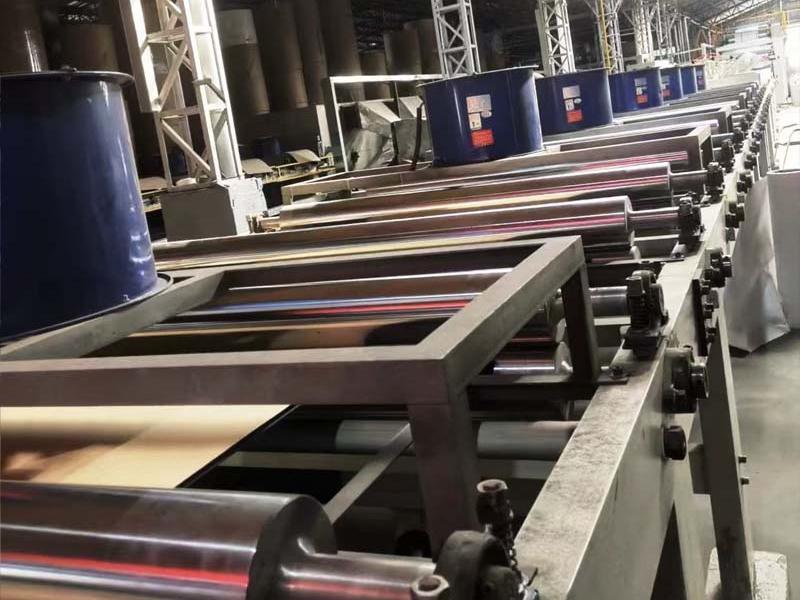
The formed wet board passes through multiple pressing units.
This process:
Higher compression results in stronger Grey Board suitable for premium packaging applications.
Drying is one of the most critical stages.
Industrial drying systems:
Professional manufacturers maintain controlled temperature and humidity throughout drying.
Typical finished moisture range:
8%–12%
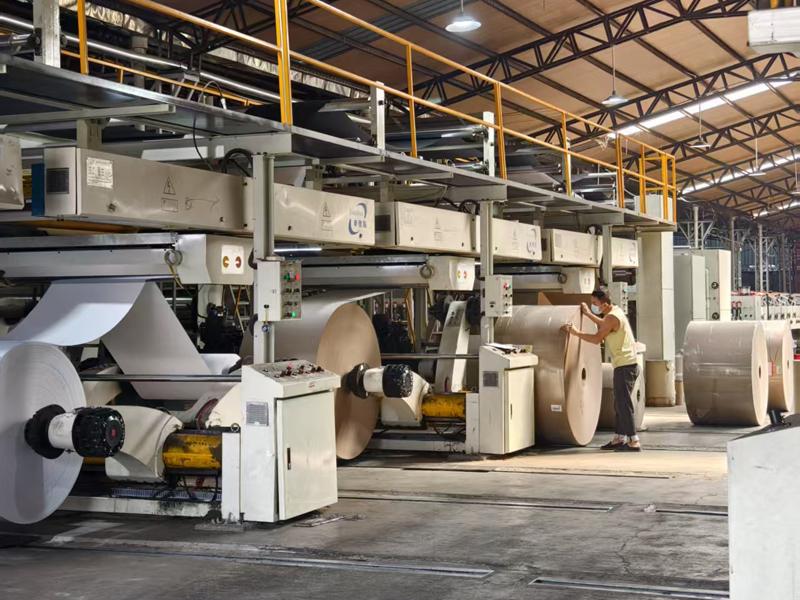
For thicker products, multiple layers may be laminated together.
This stage allows manufacturers to produce:
Advanced production lines maintain strict thickness tolerances.
Typical production range:
250gsm–2500gsm
Thickness:
0.4mm–4.0mm
After drying and laminating, the Grey Board enters finishing.
Available formats:
Suitable for:
Suitable for:
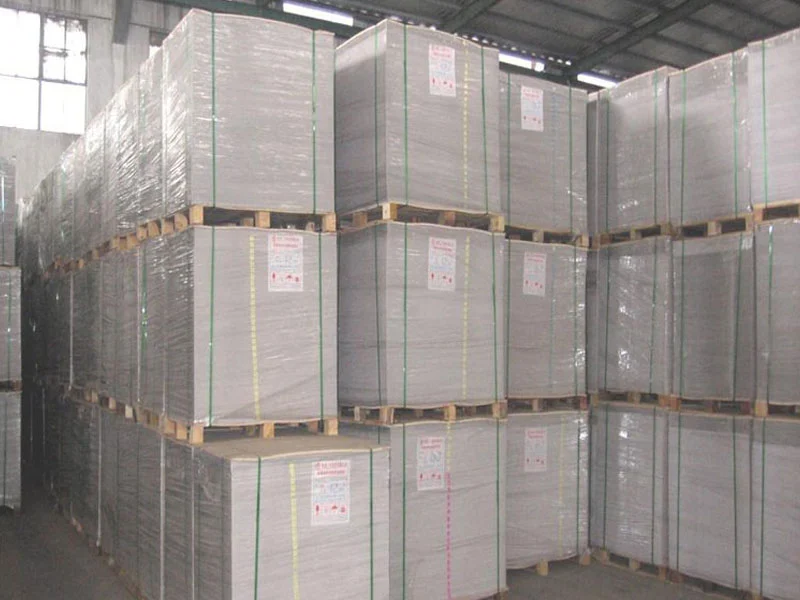
Finished products are inspected and packed according to customer specifications.
Reliable Grey Board manufacturers perform quality inspection throughout production.
Common inspection items:
Strict quality management ensures stable supply for international markets.
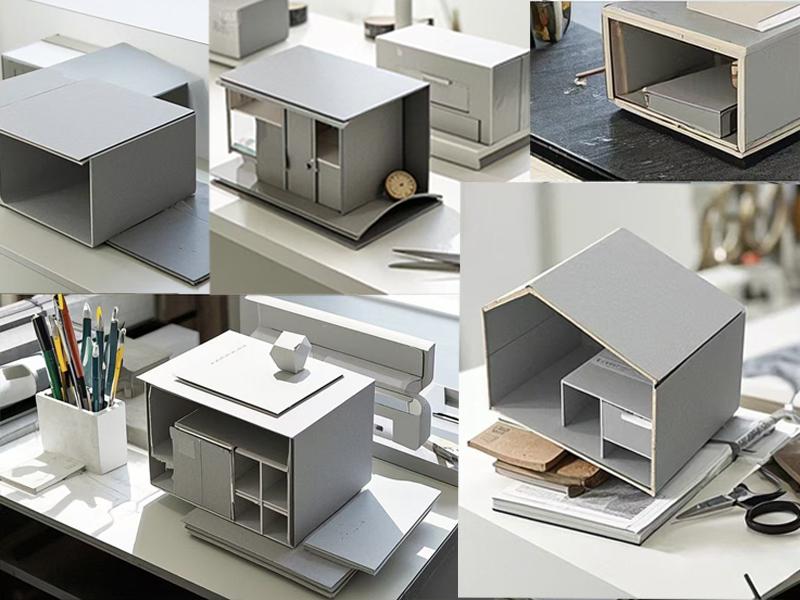
Grey Board produced through modern production lines is widely used for:
A modern production line offers:
✓ Consistent product quality
✓ Higher production efficiency
✓ Stable thickness control
✓ Large-volume supply capability
✓ Eco-friendly manufacturing
✓ Customized sheet and roll production
For global buyers, selecting a manufacturer with advanced Grey Board production facilities means better quality and more reliable delivery.
The production line of Grey Board transforms recycled paper into durable, high-performance paperboard through pulping, forming, pressing, drying, laminating, and finishing.
With increasing demand for sustainable packaging and industrial paper solutions, advanced Grey Board manufacturing technology continues to drive product quality and production efficiency.
Whether for rigid gift boxes, bookbinding, or industrial packaging, Grey Board remains one of the most versatile paperboard materials available today.