To Be The Best Grey Board Supply Chain In The World


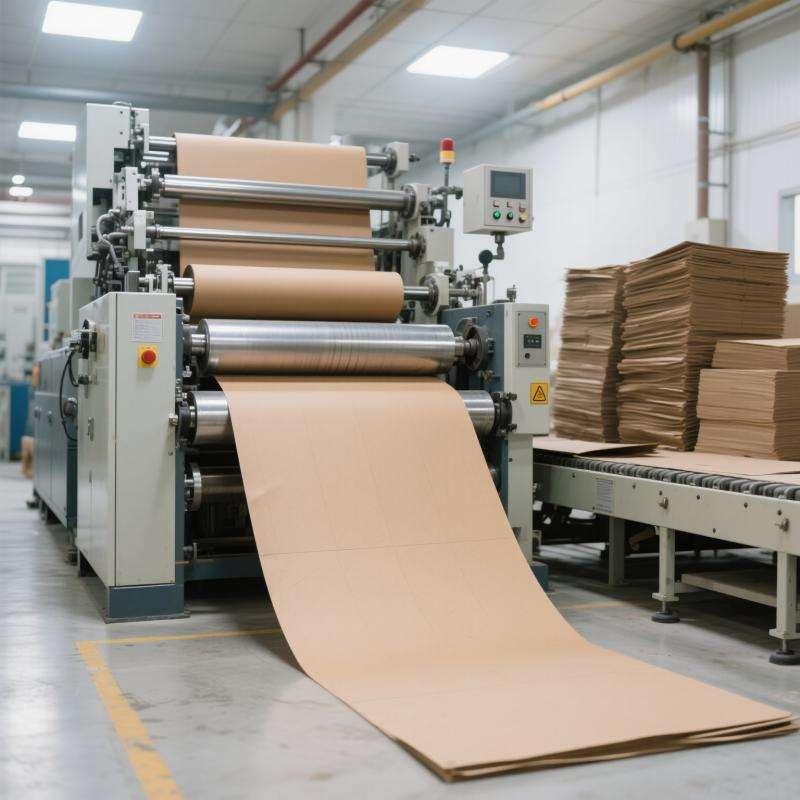
Explore typical uses of food-grade kraft paper for food packaging, plus key FDA, EU & LFGB regulations you need to know before importing.
Food-grade kraft paper is a natural, eco-friendly packaging material widely used in the food industry. Unlike ordinary kraft paper, it is manufactured with virgin pulp, restricted harmful additives, and strictly controlled chemical migration, making it safe for direct or indirect contact with food.
Common Applications of Food-Grade Kraft Paper
1. Bakery & pastry packaging
Bread bags, cake boxes, cookie sleeves, greaseproof kraft paper liners for croissants, muffins and pastries. It absorbs excess oil while keeping baked goods dry and fresh.
2. Fast food & takeaway packaging
Paper food trays, burger wraps, fry bags, takeaway box inserts. Many restaurants choose unbleached kraft paper for its natural rustic look, matching the trend of sustainable packaging.
3. Dry food packaging
Coffee bean bags, nut pouches, dried fruit packaging, grain sacks, tea packaging inserts. Ideal for dry, low-fat food products.
4. Fresh food & deli packaging
Wrapping paper for cheese, cold cuts, sandwiches, fresh fruits and vegetables. Some waterproof or greaseproof coated kraft paper works for moist and oily food.
5. Gift & retail food insert cards / hang tags
Custom printed kraft paper cards, product insert cards, descriptive tags for chocolate, honey, snack gift sets. This is your core product line.
6. Other scenarios
Paper shopping bags for food stores, food shipping box liners, meal kit packaging.
Global Food Contact Regulations
United States Market (FDA)
Food contact paper must comply with FDA 21 CFR Part 176, covering paper and paperboard in contact with food.
• 21 CFR §176.170: For paper contacting aqueous, acidic or fatty foods
• 21 CFR §176.180: For paper contacting dry food
Suppliers need to provide Declaration of Compliance (DoC) and test reports from accredited labs.
European Union Market
Main framework: EU Regulation 1935/2004 (general requirement for all food contact materials).
EU 2023/2006 (GMP) sets good manufacturing practice standards for production.
Germany extra requirement: LFGB §30 & §31, widely requested by German buyers. BfR recommendations apply for paper & board food contact materials.
Key compliance points buyers care about
1. Virgin pulp is preferred; recycled kraft paper has stricter limits for direct food contact.
2. Heavy metals, formaldehyde, acrylamide and chemical migration must stay within test limits.
3. Printing ink must also be food-safe. Ink cannot touch food directly unless certified.
4. A Declaration of Compliance (DoC) is essential for EU and US customs & customer audits.
Frequently Asked Questions
Q: Is all kraft paper food grade?
A: No. Normal kraft paper contains unapproved additives and recycled impurities, not allowed for food contact. Only specially produced food-grade kraft paper can be used.
Q: Can food-grade kraft paper touch hot food?
A: Depends on test conditions. Check the temperature limit in the test report before using for hot food.
Q: Is food-grade kraft paper compostable?
A: Virgin food kraft paper without plastic coating is biodegradable. PE coated kraft paper is not home compostable.
Closing
Food-grade kraft paper balances sustainability, natural appearance and food safety. If you sell food packaging or custom kraft paper cards, always confirm the intended food application and matching regulatory certification before production.
Contact us for custom printed food-grade kraft paper cards and packaging inserts with complete compliance documents.